 VIVE O
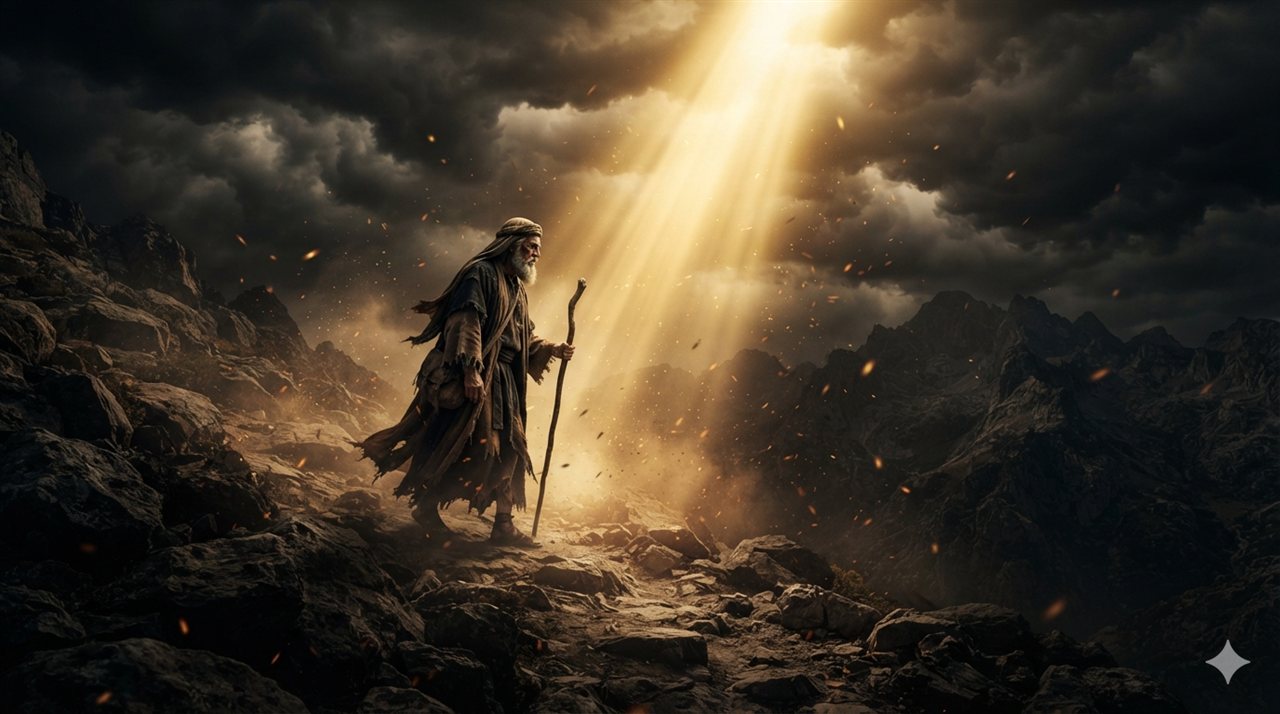
Enoch is one of the most enigmatic figures in Scripture. He did not die. The text simply says he “walked with God, and he was not found, for God took him” (Genesis 5:24).
Centuries later a book appeared bearing his name. And what is written there is unsettling: angels who came down from heaven, giants who ruled the earth, forbidden knowledge taught to humanity.
The strangest part? The Bible itself quotes it.
So if the New Testament mentions it, why was the Book of Enoch left out of the Bible? In this article you will understand what the text actually says, why it never entered the canon — and why, even so, it still intrigues scholars and Christians today.
Who was Enoch?
Enoch appears in the genealogy of Genesis 5. In the middle of a list where the phrase “and he died” falls like a hammer, he is the exception.
From Adam to Noah, the text records the death of every patriarch. Except his. Enoch “walked with God” and was taken — without passing through death. Only one other person in the Bible had that ending: the prophet Elijah.
That alone created centuries of questions. And it opened the door for a whole book to try to fill that silence.
So what exactly is the “Book of Enoch”?
What we call the Book of Enoch (or 1 Enoch) is an ancient text, but not a biblical one. It was written long after Enoch lived — probably between the third and first centuries BC, in the Second Temple period.
In other words: it is a writing attributed to Enoch, not written by him. Scholars call that pseudepigraphal literature.
An important detail: fragments of the Book of Enoch were found among the Dead Sea Scrolls, and the complete text survived in Ge’ez (ancient Ethiopic). Only the Ethiopian Orthodox Church treats it as canonical — no other does.
Secret 1 — The Watchers
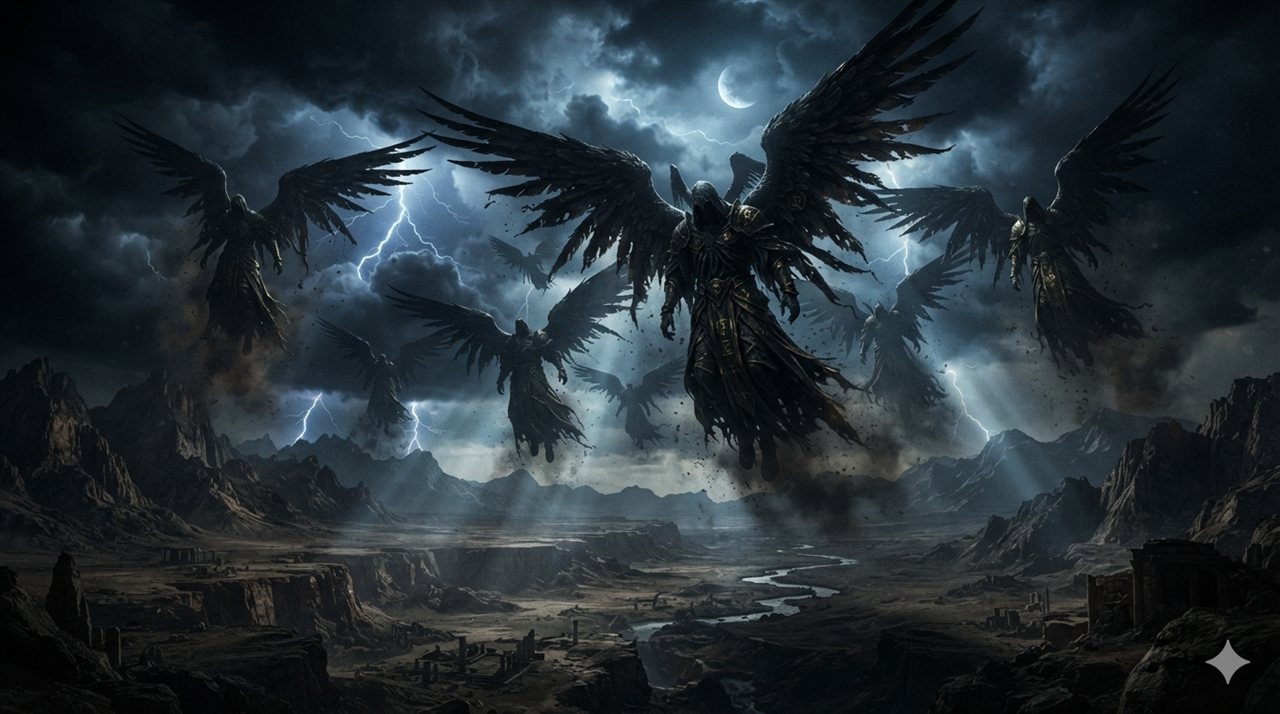
The heart of the book is the story of the Watchers: a group of angels said to have come down to earth.
According to the text, they joined with human women and taught humanity things that were never meant to be revealed — from the making of weapons to sorcery and astrology.
This is an expansion of a mysterious, very short passage in the Bible: Genesis 6, the “sons of God” who join with the “daughters of men”.
Secret 2 — The giants (Nephilim)
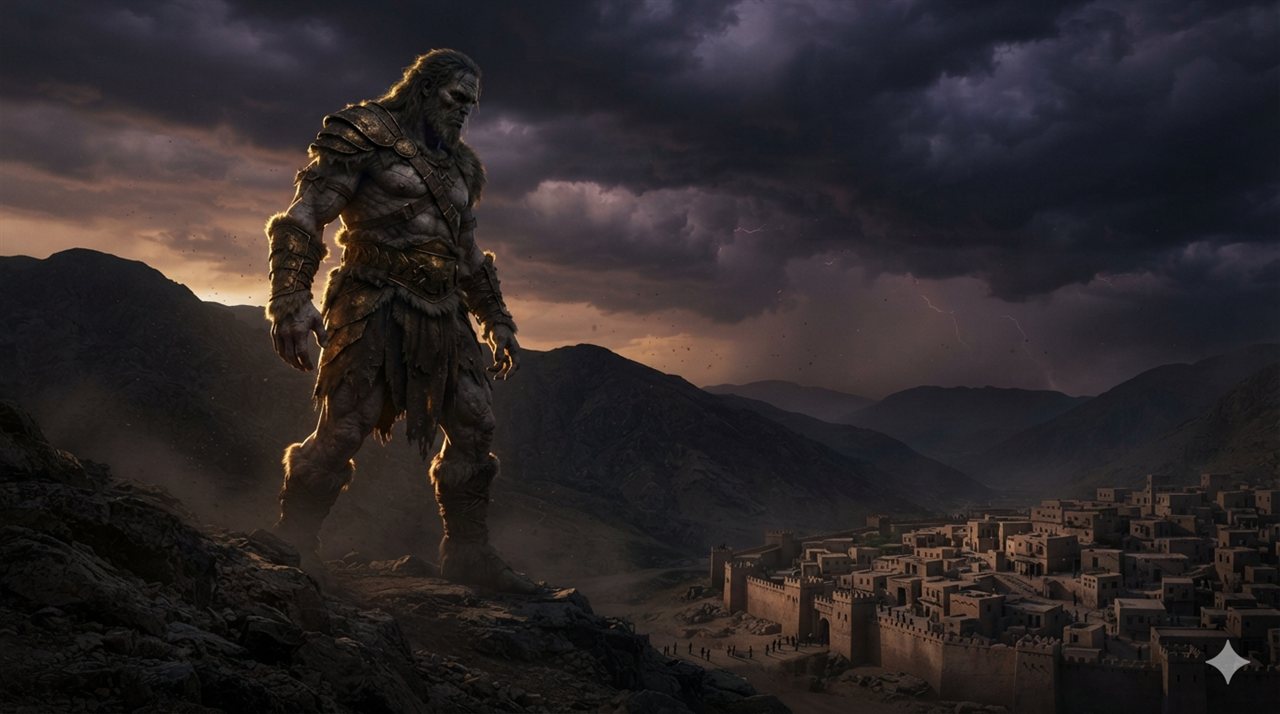
From that union, the book says, came the Nephilim — the giants.
And here the text connects back to Genesis:
“The Nephilim were in the earth in those days, and also after that, when God’s sons came in to men’s daughters and had children with them.” (Genesis 6:4)
The Book of Enoch takes those two enigmatic sentences and builds an entire narrative about the corruption of the world before the Flood. Historical truth? We cannot claim that. But it does reveal how ancient Jews understood that period.
Secret 3 — The Bible really does quote it
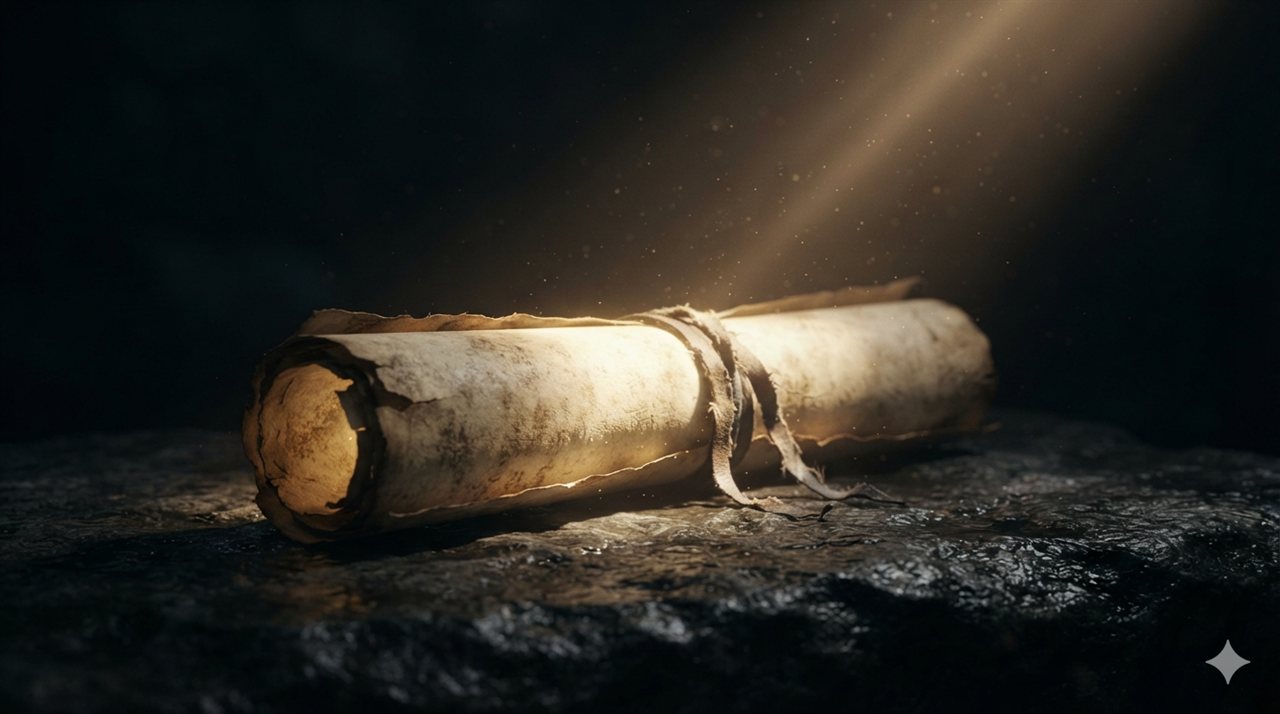
Here is the fact that stops any researcher. The New Testament quotes Enoch directly:
“About these also Enoch, the seventh from Adam, prophesied, saying, ‘Behold, the Lord came with ten thousands of his holy ones, to execute judgment on all…'” (Jude 1:14-15)
That passage repeats, almost word for word, a section of 1 Enoch. Which means: a New Testament author knew and used that text.
That does not make the book Scripture — but it shows it circulated and was respected in the first-century world.
So why was it left out of the Bible?
Because the canon — the list of books recognised as the Word of God — was formed by criteria of authorship, coherence and use by communities of faith across the centuries. And the Book of Enoch did not pass that filter in most traditions.
To be clear: for historic Christian faith, 1 Enoch is tradition, not Scripture. It helps us understand the background of biblical thought. It does not replace the Bible, nor does it carry the same authority.
What does this have to do with you today?
The most interesting question is not “is the book true?”. It is another one.
The Book of Enoch describes a world in which knowledge without limits, pride and violence corrupted everything up to the point of the Flood. And perhaps that pattern did not stay in the past.
Genesis tells us what happened. Enoch tried to explain how. And through all of it, the Word of God still stands — sufficient in itself.
Conclusion
The Book of Enoch is a fascinating window into the ancient world: fallen angels, giants, judgement, and a God who does not ignore evil. It explains why Genesis 6 has always intrigued us — and why Jude quoted it.
But it is a starting point for study, not a foundation for faith. The foundation is still Scripture.
If you want to go deeper into the Bible with clarity and order, I put together a free resource: the 7 Devotionals “The Great Story”, which help you see the Bible as one connected narrative. Download it free here.